Get Dry Well Installation in Lansing, MI
Dry well installation services help Lansing property owners prevent basement flooding and manage excess groundwater by connecting to drainage systems with skilled local contractors.
Property owners in Lansing, MI, who are planning drainage or landscaping projects often consider the installation of dry wells as a practical solution for managing excess water runoff. Properly installed dry wells can help prevent pooling, reduce erosion, and protect the foundation of a property. Exploring local contractors with experience in dry well installation can provide valuable options for those looking to improve drainage systems efficiently and effectively. Keeping informed about available services ensures that property improvements are well-planned and suited to specific site conditions.
Comparing different local service providers can help Lansing residents find the right fit for their dry well installation needs. Many property owners seek experienced contractors who understand the area's unique soil and weather conditions, ensuring that the drainage solutions are durable and reliable. Continuing to explore local options allows for a better understanding of the services available and can support informed decisions when planning property improvements related to water management.
- Dry Well Installation - needed when a property in Lansing, MI faces drainage issues during heavy rainfalls.
- Dry Well Replacement - required if an existing dry well is clogged or no longer effectively manages water runoff.
- Dry Well Maintenance - essential for homeowners in neighborhoods like Eastside or Old Town to prevent water pooling.
- Dry Well Inspection - helpful when property owners suspect drainage problems or want to ensure proper function.
- Dry Well System Upgrades - suitable for those looking to improve drainage capacity in residential or commercial properties in the Lansing area.
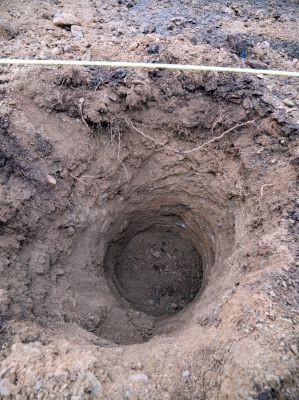
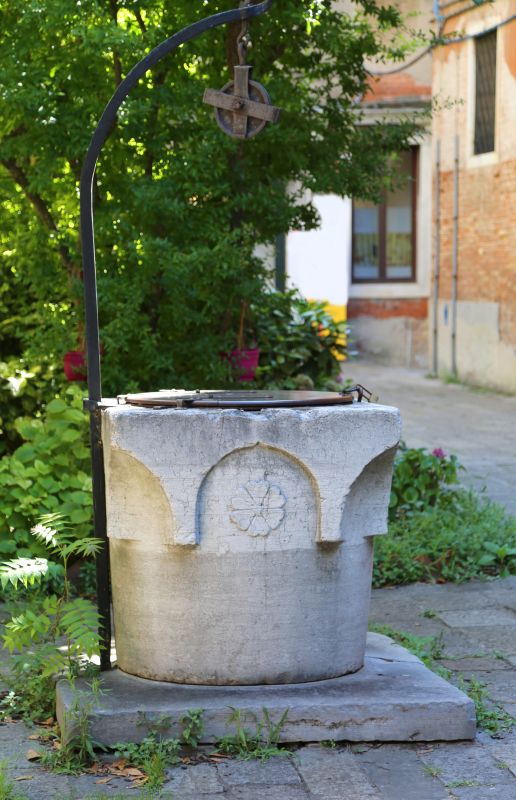
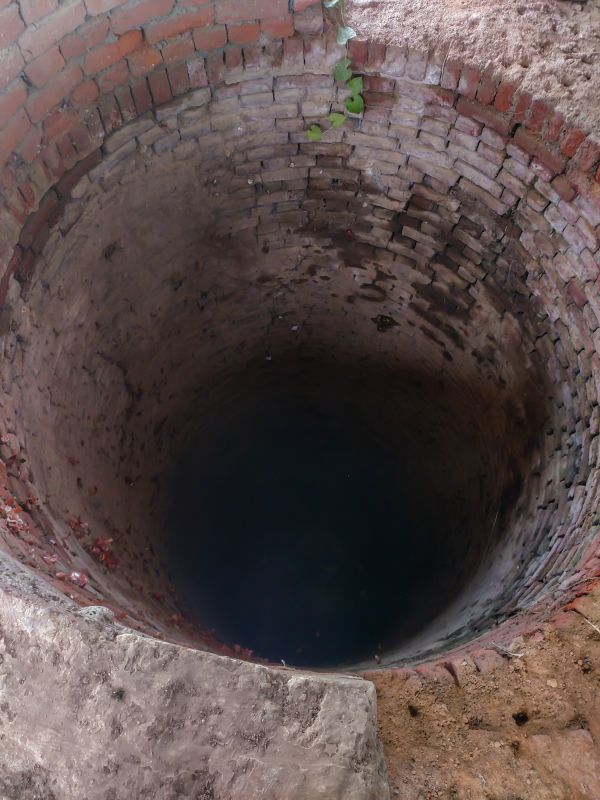
Dry well installation services involve creating a specialized underground structure designed to manage excess water on a property. Typically, this process includes digging a hole, installing a perforated pipe system, and covering it with gravel or other materials to facilitate proper drainage. The goal is to redirect water away from foundations, basements, or other vulnerable areas, helping to prevent water accumulation and related issues. This service is particularly useful in situations where natural drainage is insufficient or where heavy rainfall causes water to pool around a home’s perimeter.
These installations help address common problems associated with poor drainage, such as basement flooding, foundation damage, and landscape erosion. When excess water cannot drain away naturally, it may seep into basements or weaken the soil supporting the foundation. Installing a dry well provides a controlled outlet for this water, reducing the risk of structural issues and water damage. It also helps maintain a dry, stable yard by preventing standing water and soggy spots that can lead to further landscaping problems.
Properties that often benefit from dry well installation include residential homes, especially those with yards on slopes or areas prone to poor drainage. Homes built on clay soils or those located in regions with frequent heavy rain are also common candidates. Commercial properties, such as parking lots or landscaped areas, may require dry wells to manage large volumes of runoff effectively. Overall, any property experiencing water pooling or drainage issues can consider this service as a practical solution to improve water management and protect the property’s integrity.
Local contractors specializing in drainage solutions can assess specific property needs and recommend appropriate dry well systems. They typically evaluate the site’s soil type, slope, and water flow patterns to determine the best installation approach. Properly installed dry wells can provide a reliable way to handle excess water, helping homeowners and property managers maintain a dry, stable environment. For those facing persistent drainage problems, connecting with experienced service providers can offer effective, tailored solutions to keep water where it belongs-away from the home and its foundation.
The overview below groups typical Dry Well Installation projects into broad ranges so you can see how smaller, mid-sized, and larger jobs often compare in Lansing, MI.
In many markets, a large share of routine jobs stays in the lower and middle ranges, while only a smaller percentage of projects moves into the highest bands when the work is more complex or site conditions are harder than average.
Smaller Repairs - Typical costs for minor dry well repairs or installations in Lansing, MI range from $250-$600. Many routine jobs fall within this middle range, covering simple fixes or small-scale installations by local contractors.
Standard Installations - For standard dry well installations or replacements, prices usually range from $1,000-$2,500. Most projects in this category are straightforward and fall within this typical band.
Complex or Larger Projects - Larger, more complex dry well installations, such as those involving extensive drainage systems or difficult site conditions, can cost $3,000-$5,000 or more. Fewer projects push into this higher tier, but they are necessary for challenging sites.
Full Replacement - Complete dry well replacements, especially in cases of significant damage or outdated systems, tend to range from $4,000-$8,000. These projects are less common but are essential for long-term drainage solutions in certain properties.
Actual totals will depend on details like access to the work area, the scope of the project, and the materials selected, so use these as general starting points rather than exact figures.
French Drain Installation - Similar skills in grading, trenching, and drainage planning are essential for both dry well and French drain projects to manage water runoff effectively.
Stormwater Management Systems - Local contractors experienced in designing and installing systems for managing heavy rainfall can often handle dry well installations as part of broader drainage solutions.
Foundation Drainage Solutions - Installing drainage around building foundations requires expertise in underground piping and soil assessment, which aligns with dry well installation skills.
Sump Pump Systems - Setting up sump pumps involves excavation and drainage planning, paralleling the work involved in installing underground water dispersal systems like dry wells.
Erosion Control Projects - Managing soil stability and runoff through erosion control measures shares planning and excavation techniques with dry well installation.
Landscape Drainage Improvements - Enhancing yard drainage often involves trenching and underground water dispersal methods similar to those used in dry well services.
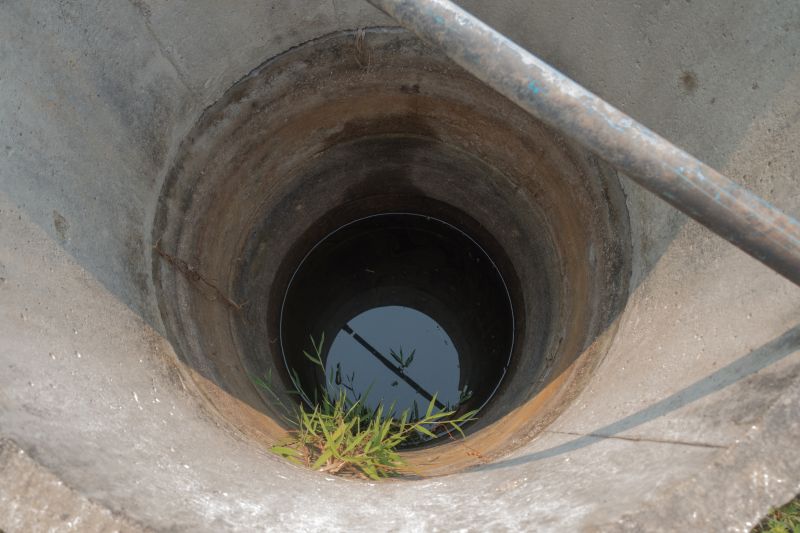
When evaluating contractors for dry well installation, it’s important to consider their experience with similar projects in the Lansing, MI area. A service provider with a proven track record handling outdoor drainage solutions can better anticipate challenges and ensure the job is completed effectively. Homeowners should ask potential contractors about their past work, specifically projects comparable in size and scope, to gain confidence that they understand the requirements unique to local soil conditions and property layouts.
Clear, written expectations are essential when choosing a service provider. This includes detailed descriptions of the work involved, materials to be used, and the scope of services offered. Having this information in writing helps prevent misunderstandings and ensures that both parties are aligned on project goals. Homeowners are encouraged to request detailed proposals or estimates that outline the work steps, so they can compare options and select a professional who communicates transparently and thoroughly.
Reputable references and strong communication are key indicators of a dependable contractor. Homeowners should seek out local providers who can provide contact information for previous clients or showcase examples of completed projects. Good communication throughout the process-prompt responses, clarity about procedures, and openness to questions-can significantly influence the overall experience. Remember, this site is designed to connect homeowners with trusted local service providers capable of handling dry well installation, rather than performing the work directly.
Property owners in Lansing, MI use Dry Well Installation services for practical projects around their homes and businesses. This guide focuses on everyday jobs and straightforward project options.
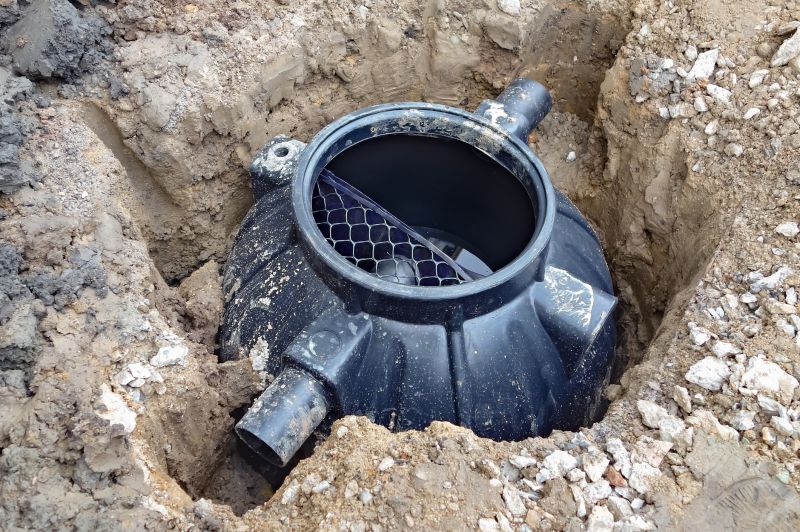
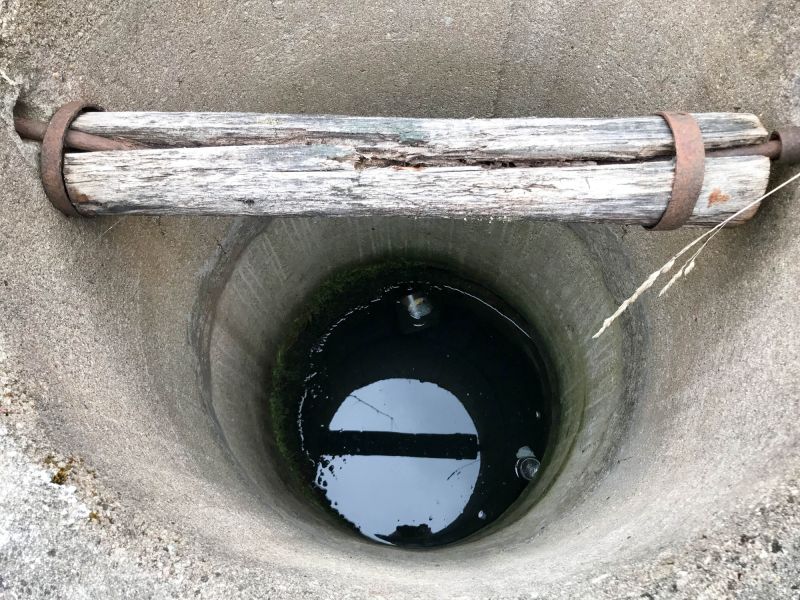
Dry well installation services are often needed by property owners in Lansing, MI, who experience issues with their existing water drainage systems or are planning new construction projects. For example, homeowners may notice persistent pooling or standing water around their property after heavy rains, which can lead to foundation concerns or landscape damage. Local contractors can assess these situations and recommend the installation of dry wells to help manage excess water effectively, preventing potential problems before they develop.
Additionally, property owners involved in renovations or additions might require dry well services to ensure proper drainage for new landscaping, driveways, or septic systems. In Lansing’s varied climate, heavy storms can overwhelm traditional drainage methods, making dry wells a practical solution for maintaining a safe and stable property. Local service providers are equipped to handle these projects, offering tailored solutions that address the specific drainage needs of each property.
What is a dry well and how does it work? A dry well is an underground structure that helps manage excess water runoff by directing it away from your property, allowing it to disperse safely into the ground through a gravel-filled chamber.
Why might I need a dry well installation? Dry wells are useful for preventing water pooling around foundations, reducing erosion, and managing stormwater runoff effectively in areas with poor drainage.
What types of dry wells are available for installation? There are various types, including plastic, concrete, and stone-lined dry wells, each suited for different soil conditions and water volume needs.
How do local contractors determine the best dry well solution for my property? They assess factors such as soil type, water flow volume, and property layout to recommend the most suitable dry well system.
What should I consider when choosing a dry well installation service? It's important to select service providers with experience in drainage solutions, good reputation in the community, and a clear understanding of local building practices.
Preventing water accumulation - property owners can have local contractors install a dry well to manage excess rainwater and protect landscaping.
Improving drainage systems - homeowners may use dry wells to redirect runoff away from foundations and prevent flooding during heavy storms.
Supporting landscape irrigation - dry wells can serve as underground reservoirs for irrigation systems, helping to conserve water.
Managing yard runoff - property owners can utilize dry well installation to improve overall yard drainage and reduce pooling issues.
If you are thinking about Dry Well Installation for a property in Lansing, MI, this guide is meant to help you understand the work, the typical project types, and how different options might fit your plans.
When you are ready, you can use the quote form on this page to share a few details about your project. From there, local pros can review the basics and respond with options that match what you have in mind.